



01What it sells and who buys it
Wispr Flow turns speech into text inside the applications people already use. It targets individuals and teams who want to reduce typing across email, documents and development tools.
02How the business makes money
The product offers a free allowance and sells subscriptions to heavier users and teams. In a 2025 interview, the founder described a 2,000-word weekly free allowance that created a path into paid usage.
03Marketing and customer acquisition
Wispr demonstrated less typing in everyday applications rather than novelty voice recognition.
- 01
Make voice useful in everyday input
SourceFlow brought dictation into applications people already used, reducing the need to move work into another document tool.
- 02
Use founder-led demonstrations
SourceThe founder posted development and user stories on Reddit, LinkedIn and X. In that interview he reported roughly 90% organic acquisition and approximately 20% paid conversion. Demonstrations focused on time saved in everyday work, while the free allowance made increasing usage a reason to subscribe.
- 03
Financing the next stage
SourceIn August 2026, Wispr announced a $280 million Series B led by Menlo Ventures at a $2 billion valuation. The announcement connected financing to sustained adoption and further product and research expansion.
How the growth mechanism works
- See a real workflow
- Dictate in existing apps
- Build daily use
- Subscribe beyond free limits
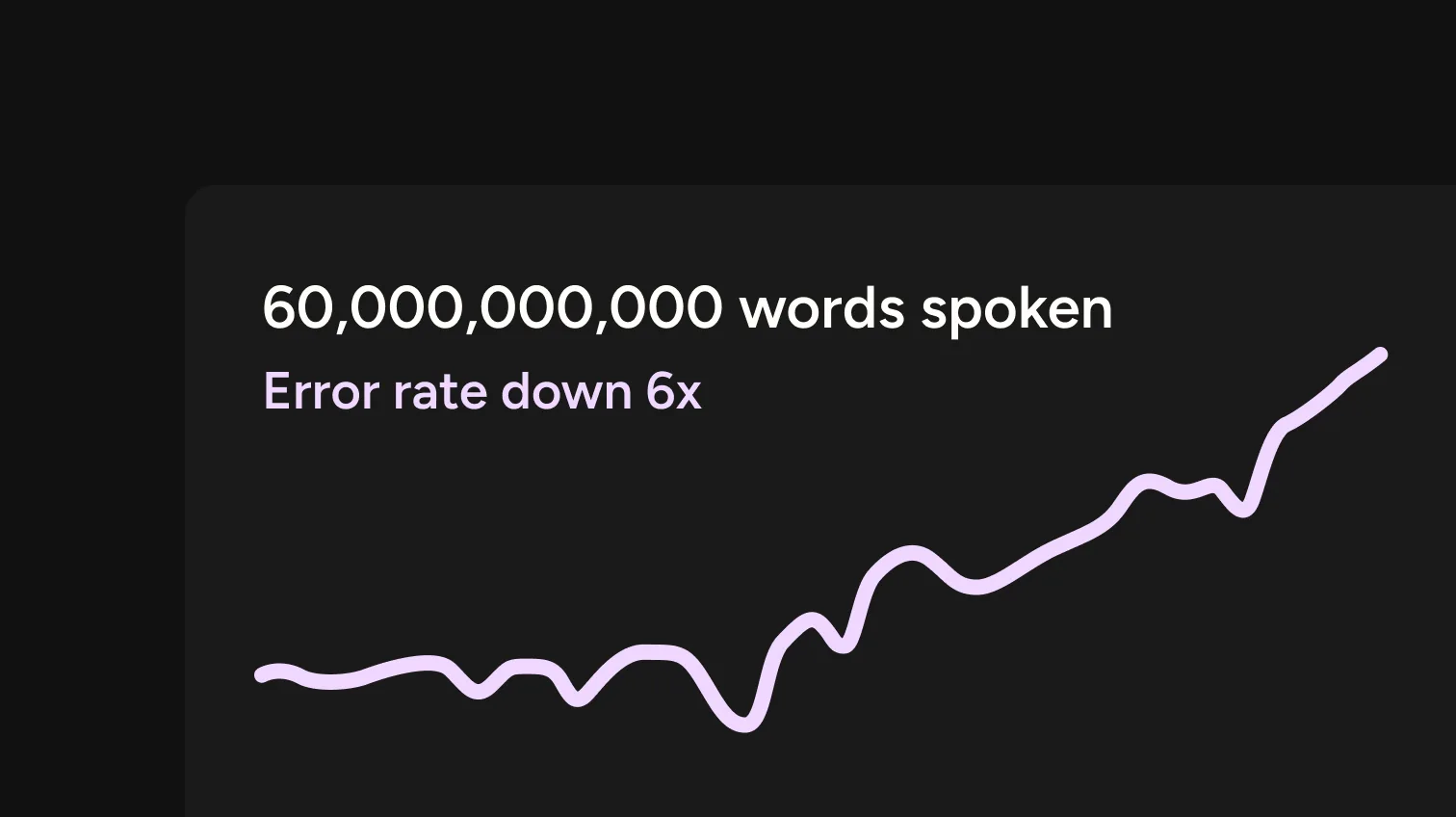
Input tools are frequent-use products, but mistakes send users back to the keyboard. Demonstrations drive trial; accuracy sustains use. The latest funding announcement’s focus on error reduction and zero-edit output fits that retention requirement.
04Funding and expansion
In August 2026, Wispr announced a $280 million Series B led by Menlo Ventures at a $2 billion valuation. The announcement connected financing to sustained adoption and further product and research expansion.
More about the founding and key events
Tanay Kothari and Sahaj Garg started Wispr in 2021 to develop hardware. Kothari says the team stopped that effort in July 2024 and focused on voice input software. Flow launched in September 2024, turning speech into text for computer work.
Kothari posted development updates and user stories on Reddit, LinkedIn and Twitter. Early users introduced it on YouTube and social media. In a 2025 interview, he described a free allowance of 2,000 words per week without an upfront card requirement, followed by payment for more usage. He reported roughly 90% organic acquisition and 20% paid conversion at that time.
The shift placed the product inside recurring work on computers people already owned. In August 2026, the company announced funding at a $2 billion valuation. Both founders had appeared on Forbes’ 2023 Under 30 list.